
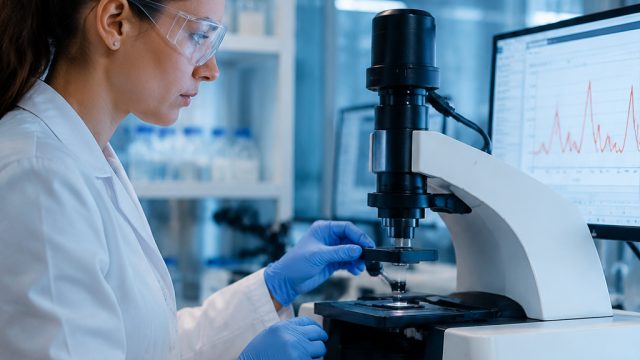
Emerging Trends in Automated Infrared Spectroscopy Analysis
The field of automated infrared spectroscopy is rapidly evolving, driven by innovations in technology and a growing demand for precise analysis in various sectors. As industries increasingly rely on sophisticated analytical techniques, understanding the current trends and their implications is crucial. This article delves into the recent developments and forecasts in the automated infrared spectroscopy market.
Current Market Dynamics
Automated infrared spectroscopy analyzers are becoming essential tools in laboratories and industries where swift and accurate measurements are vital. The market has witnessed a surge in demand due to the increased focus on quality control and regulatory compliance.
Key Drivers of Growth
- Technological Advancements: The integration of AI and machine learning into spectroscopy instruments has enhanced their efficiency and accuracy, leading to more robust analytical results.
- Expanding Applications: From pharmaceuticals to environmental monitoring, the applications of infrared spectroscopy are diversifying, creating new opportunities for market penetration.
- Increased R&D Investments: Companies and institutions are investing significantly in research and development to innovate and refine spectroscopy techniques.
Trends Shaping the Future
As we look to the future, several trends are likely to shape the automated infrared spectroscopy landscape:
Adoption of Portable Analyzers
Portable infrared spectroscopy devices are gaining traction, enabling on-site analysis and improving convenience for users. This trend is particularly beneficial in fields such as food safety and environmental testing.
Data Integration and Management
The ability to integrate spectroscopy data with other analytical methods is becoming increasingly important. This integration allows for comprehensive analysis and better decision-making based on a multitude of data sources.
Why This Matters Now
The urgency of adopting advanced analytical techniques cannot be overstated, especially amid growing regulatory pressures and the need for enhanced quality control in manufacturing processes. Automated infrared spectroscopy stands at the forefront of this transformation, providing critical insights and fostering innovation across industries.
Challenges in Adoption
- Cost Barriers: While the technology offers significant benefits, the initial investment can be a deterrent for smaller organizations.
- Training Needs: As instruments become more advanced, ensuring that personnel are adequately trained remains a priority for many organizations.
Conclusion
As automated infrared spectroscopy continues to advance, organizations must stay abreast of these developments to leverage the full potential of this technology. The commitment to innovation and quality will play a pivotal role in shaping the future of spectroscopy analysis, emphasizing its critical importance in today’s scientific landscape. For those looking to invest in automation and enhance their analytical capabilities, understanding these trends is essential for making informed decisions in the coming years.

