
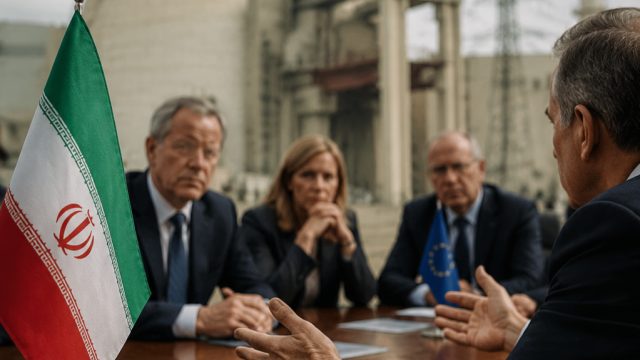
Iran's Stance on Nuclear Inspections Sparks Global Debate
The latest developments in the ongoing tensions between the United States and Iran regarding nuclear inspections have created a significant stir not only in political circles but also among global security experts. As both nations present conflicting narratives, the international community is left to ponder the implications of these disputes for global peace and stability.
The Context of the Dispute
At the heart of this controversy are claims made by former U.S. President Donald Trump that Iran has agreed to certain nuclear inspections. However, Tehran has firmly denied any such concessions, asserting its right to govern its nuclear program independently. This disagreement has reignited debates over the effectiveness of international diplomacy in handling national security issues.
What Iran Claims
Iran's officials emphasize that they have not made any agreements that would allow for external inspections beyond the existing framework set by global treaties. They argue that any such claims are misinterpretations designed to undermine their sovereignty. As tensions escalate, Iran's commitment to its nuclear program remains unwavering, raising concerns about potential military implications.
The U.S. Perspective
Conversely, the U.S. government maintains that Iran's nuclear ambitions pose a threat not only to regional allies but also to global security. Supporters of Trump's stance argue that Iran's apparent readiness for negotiations is a sign of weakness and a strategic miscalculation on Tehran's part. The U.S. insists that increased inspections are crucial for verifying compliance with international agreements.
The Global Implications
The ongoing dispute has far-reaching consequences, influencing everything from military strategy to economic policy. As nations observe the unfolding events, many are questioning whether diplomatic routes can still hold the key to nuclear non-proliferation.
The Potential for Conflict
- Increased Military Readiness: Both sides are likely to bolster their military capabilities in response to the standoff.
- Economic Sanctions: The U.S. may impose further sanctions, which could exacerbate tensions.
- Regional Alliances: Countries in the Middle East may reassess their alliances based on the evolving situation.
The Role of International Organizations
International bodies like the United Nations and the International Atomic Energy Agency (IAEA) will play critical roles in mediating this dispute. Potential negotiations could hinge on these organizations' ability to facilitate dialogue and ensure compliance with existing treaties.
The Future of U.S.-Iran Relations
As both nations navigate these turbulent waters, the question of what lies ahead for U.S.-Iran relations remains open. Will diplomatic efforts yield fruitful negotiations, or will the impasse lead to further escalation? The international community is watching closely, as the outcome could reshape geopolitical dynamics for years to come.
Expert Insights
Political analysts suggest that clear communication and transparency from both sides could pave the way for a more stable relationship. However, without a willingness to compromise, the potential for future conflicts looms large.
Conclusion
The dispute between the U.S. and Iran over nuclear inspections is not just a bilateral issue; it poses questions of global significance. The conflicting claims and the broader implications for international security highlight the complexities of diplomatic negotiations in a volatile environment. As developments unfold, the world's eyes remain fixed on this critical juncture in international relations.

