
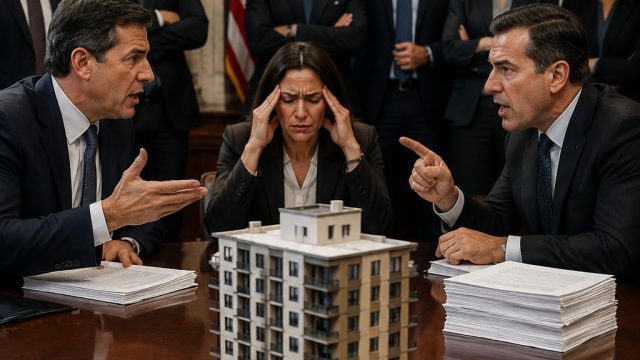
Political Tensions Rise Over Newly Passed Housing Legislation
The recent passage of the 21st Century ROAD to Housing Act has ignited intense debates among U.S. lawmakers, showcasing the growing divide between political parties regarding housing issues. Amidst calls for more affordable housing solutions, this bill promises to enhance housing supply and lower costs, which has garnered both support and fierce criticism.
An Overview of the 21st Century ROAD to Housing Act
On Monday, the Senate voted overwhelmingly in favor of the housing bill, with a remarkable 85-5 tally. The 21st Century ROAD to Housing Act aims to tackle the escalating housing crisis that has been plaguing the nation. Senator Elizabeth Warren, a strong proponent of the bill, asserted that it would help alleviate the mounting pressures on the housing market.
Key Provisions of the Bill
- Increase housing supply through new construction incentives.
- Enhance affordable housing programs that target low and middle-income families.
- Streamline regulatory processes to facilitate quicker project approvals.
- Allocate funds for housing research and development initiatives.
These provisions could significantly reshape the housing landscape, making homeownership more accessible to a broader demographic. However, while many view these changes as a step in the right direction, not everyone shares the same optimism.
Political Pushback and Concerns
Among the bill's detractors is U.S. Representative Chip Roy (R-TX), who did not hold back in his criticism. As a candidate for Texas Attorney General, he labeled the legislation as “big government garbage,” expressing concerns that it would lead to government overreach and misallocation of resources.
Reactions from Political Figures
Roy's comments reflect a broader anxiety among certain lawmakers who fear that increasing government involvement in housing could stifle market dynamics. While some Republicans emphasize the need for private-sector solutions to address housing shortages, others argue that the government has a crucial role in ensuring equitable access to housing.
The Importance of Housing Legislation in Current Times
The passage of the 21st Century ROAD to Housing Act is particularly timely as the nation grapples with ongoing affordability issues in the housing market. With rising interest rates and inflation impacting home prices, there is a pressing need for solutions that not only increase the supply of affordable housing but also stabilize the market.
Impact on Future Housing Policies
This legislation could set a precedent for future housing policies, potentially influencing the way both parties approach the issue. The increasing urgency around housing has led to a reevaluation of long-standing policies, highlighting the need for innovative solutions.
Community Perspectives and Implications
As communities await the potential impacts of this bill, many citizens are expressing hope for more affordable housing options. Grassroots organizations and housing advocates are closely monitoring the developments, eager to see how the provisions will be implemented at the local level.
The Role of Public Opinion
Public opinion plays a vital role in shaping the political landscape surrounding housing issues. As citizens express their needs and expectations, lawmakers will be compelled to respond accordingly, potentially leading to more collaborative efforts between parties.
Conclusion: A Pivotal Moment for Housing Policy
The passage of the 21st Century ROAD to Housing Act marks a pivotal moment in the ongoing battle for housing reform. With political tensions running high and citizens demanding action, this legislation could pave the way for a new era of housing policy aimed at creating a balanced and equitable market. As developments unfold, it will be crucial for stakeholders from all sides to engage in constructive dialogue to navigate the complexities of housing in America.

