
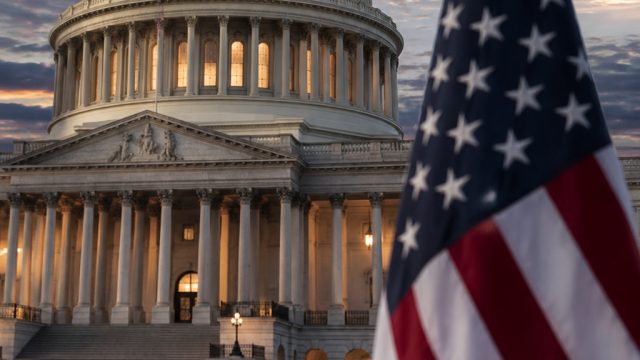
In a historic move reflecting changing attitudes within American politics, the U.S. Senate recently passed a resolution aimed at limiting military actions against Iran, marking a significant shift in the country's foreign policy approach. This decision, which follows months of escalating tensions between the two nations, emphasizes Congress's renewed influence over military engagement and sets the stage for potential diplomatic resolutions.
The Legislative Background
The resolution, which had already passed in the House, seeks to curb the executive branch's war powers, particularly concerning military actions against Iran. This legislative action underlines a broader bipartisan desire within Congress to reclaim its constitutional authority in matters of war and peace. The vote comes in the backdrop of ongoing discussions about the future of U.S.-Iran relations and the effectiveness of military strategies in the region.
Motivations Behind the Resolution
- Historical Context: The U.S. has a long history of military interventions in the Middle East, often leading to unintended consequences. Lawmakers are increasingly questioning the efficacy of these strategies.
- Diplomatic Solutions: With the Biden administration focusing on re-engagement with Iran regarding its nuclear program, this resolution may pave the way for more diplomatic negotiations rather than aggressive military posturing.
- Public Sentiment: Many Americans express fatigue over prolonged military involvement in foreign conflicts, pushing legislators to act in accordance with their constituents' desires.
Implications for U.S. Foreign Policy
This resolution not only highlights domestic political dynamics but also sends a clear message to Iran and other international actors. By formally limiting military engagement, the Senate is advocating for a more measured approach that prioritizes dialogue over confrontation.
Potential Effects on Diplomatic Relations
As tensions with Iran have escalated in recent years, the implications of this resolution could be profound:
- Reassessing Military Presence: The Senate’s action may prompt a reassessment of U.S. military presence in the Middle East, focusing on stability rather than aggression.
- Strengthening Alliances: A shift toward diplomacy could strengthen alliances with European nations that favor negotiations over military action.
- Impact on Regional Stability: By reducing the emphasis on military solutions, there could be a potential increase in regional stability, encouraging Iran to engage constructively in talks.
Historical Context of U.S.-Iran Relations
The history of U.S.-Iran relations is complex and fraught with conflict. From the 1979 Iranian Revolution to recent nuclear negotiations, the journey has been tumultuous. This resolution marks a turning point, as it emphasizes Congress's role in shaping foreign policy, particularly with strategic adversaries like Iran.
Lessons from the Past
Reflecting on previous military interventions, lawmakers appear to be advocating for a more cautious stance:
- Learning from Iraq: The Iraq War has left a lasting impression on U.S. foreign policy, with many lawmakers wary of repeating past mistakes.
- Diplomacy as a Strategy: The failure of military solutions in achieving long-term peace has prompted a reevaluation of diplomatic negotiations.
Conclusion: A New Chapter in U.S.-Iran Relations
As the Senate's resolution passes, it signifies more than just legislative action; it embodies a potential shift in how the United States engages with adversaries. With an increased focus on diplomacy, Congress is sending a clear message that military action is not the only path forward. The implications of this resolution could resonate well beyond the immediate context, potentially redefining U.S. foreign policy strategies in the Middle East for years to come.

