
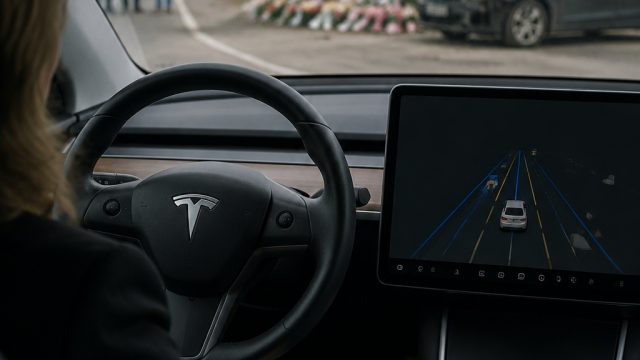
Tesla's FSD under Scrutiny Following Fatal Texas Incident
In a recent and tragic event, Tesla's Full Self-Driving (FSD) technology has become a focal point of discussion after a Model 3 was involved in a fatal accident in Katy, Texas. The incident resulted in the death of a 76-year-old woman, raising significant questions about the safety of autonomous driving systems and the responsibilities of both manufacturers and drivers.
What Happened in Katy, Texas?
On the day of the accident, a Tesla Model 3 veered off a residential road and crashed into a home, resulting in a loss of life. Subsequent investigations revealed that the vehicle's Full Self-Driving capabilities were engaged at the time of the crash. Tesla, however, has shifted the blame towards the driver, claiming that the individual overrode the system by accelerating the vehicle to 100% throttle, which ultimately led to the tragic outcome.
The Role of Full Self-Driving Technology
The FSD technology is designed to enhance driving with features that allow for lane changes, navigating turns, and even recognizing traffic signals. However, despite its advanced capabilities, the technology is not foolproof, and the reliance on it raises important safety concerns for the general public.
Understanding Driver Responsibility
In light of the Katy incident, the debate surrounding driver responsibility versus manufacturer accountability has intensified. Here are some key factors to consider:
- Driver Engagement: Tesla's FSD system requires drivers to remain attentive and ready to intervene at any moment. This incident highlights the critical need for active participation from drivers when utilizing such technology.
- Overriding the System: The claim that the driver overrode the FSD system by pressing the accelerator raises questions about the clarity of operational protocols and the understanding of limitations of FSD.
- Legal Implications: The outcome of investigations could potentially influence future regulations regarding autonomous vehicle technology and driver liability.
The Broader Impact on Autonomous Driving
As more companies venture into the realm of autonomous driving, the implications of incidents like this will reverberate through the industry. Here’s why the conversation matters now:
- Public Trust: Tragic events undermine public trust in autonomous technologies, which could slow the adoption of innovations that promise to enhance safety and efficiency on the roads.
- Regulatory Scrutiny: Increased scrutiny from regulatory bodies may lead to stricter guidelines surrounding the deployment of autonomous vehicle technologies, affecting how companies operate.
- Safety Standards: As the industry evolves, the need for robust safety standards becomes paramount to prevent such tragic incidents in the future.
Continuing Developments and Consumer Awareness
As investigations unfold, both Tesla and its users must grapple with the implications of this incident. For consumers, staying informed about how these technologies function is critical. Here are some tips for Tesla owners and potential buyers:
- Understand Your Vehicle: Familiarize yourself with the operational capabilities and limitations of the FSD system.
- Stay Alert: Always maintain full attention while driving, regardless of the technology engaged.
- Follow Updates: Keep track of news and developments regarding FSD and related safety measures from Tesla and regulatory bodies.
Conclusion: Navigating the Future of Autonomous Driving
The tragic accident in Katy, Texas, serves as a potent reminder of the responsibilities associated with emerging vehicle technologies. As the industry moves towards greater automation, the balance of accountability between manufacturers and drivers will play a crucial role in shaping the future of transportation. Ongoing discussions surrounding driver engagement, safety standards, and regulatory oversight are not just relevant for Tesla but for the entire automotive sector as it embraces the future of autonomous driving.

