
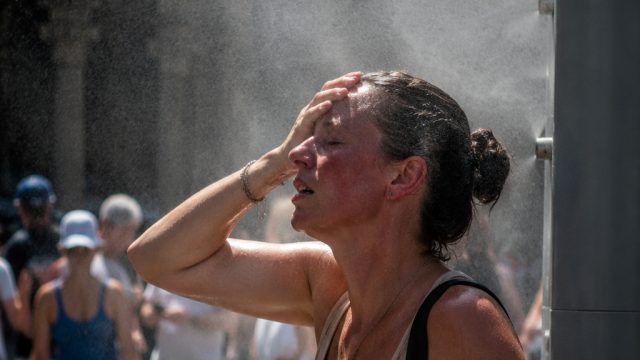
As Europe grapples with an unprecedented heatwave, France has reported a staggering number of drownings, highlighting the severe consequences of rising temperatures. Recent statistics reveal that forty individuals have tragically lost their lives in drowning incidents across the nation as people desperately seek relief from the unbearable heat. This alarming trend not only underscores the immediate risks associated with extreme weather but also raises questions about the long-term implications of climate change.
The Current Heatwave Crisis
The heatwave currently enveloping Europe is being heralded as one of the most severe in recent memory, with temperatures soaring beyond comfortable levels. Countries across the continent are implementing various measures to combat the escalating situation. In France, the soaring temperatures have prompted discussions on whether to open public pools and increase access to cooling centers, yet the focus remains on the growing number of drownings.
Understanding the Rising Drowning Incidents
In a desperate attempt to escape the heat, many individuals are flocking to rivers, lakes, and beaches, which has unfortunately led to a surge in drownings. Here are some key insights:
- The majority of drownings have occurred among those who are not strong swimmers, emphasizing the need for water safety education.
- Many of the incidents happened in unsupervised swimming areas, further highlighting the importance of vigilance.
- Rescue services have reported an increase in emergency calls related to water safety, indicating a growing trend that needs urgent attention.
Political and Social Responses
The heatwave has ignited debate among French leaders regarding the need for air conditioning and other cooling options. While some advocate for broader access to air conditioning in public spaces, others express concerns about the environmental impact and energy costs. This clash of opinions reflects a deeper issue surrounding climate adaptation as temperatures continue to rise.
Air Conditioning: A Double-Edged Sword
Air conditioning can provide immediate relief from heat, but it also contributes to higher energy consumption and greenhouse gas emissions. Here are some points to consider:
- Increased Energy Demand: Air conditioning systems utilize significant amounts of electricity, leading to higher demand on power grids, especially during peak usage.
- Environmental Effects: Refrigerants used in air conditioning can harm the ozone layer if not managed properly, presenting a paradox in the fight against global warming.
- Social Equity: Access to air conditioning often varies by socioeconomic status, raising concerns about public health disparities during heatwaves.
Long-term Implications of Climate Change
The tragic drownings and political debates surrounding air conditioning underscore a pressing reality: climate change is not just an environmental concern; it is a public health emergency. As Europe continues to warm, countries will need to adapt their infrastructure, health policies, and public awareness campaigns to address these changes effectively.
Future Trends and Preparedness
As we look forward, it is crucial that governments and communities take proactive measures to adapt to these extreme weather patterns. Here are some recommendations for enhancing resilience against heatwaves:
- Community Education: Initiatives aimed at educating the public about water safety and the risks associated with extreme heat can save lives.
- Infrastructure Investments: Developing more cooling centers and public pools can provide necessary relief during peak heat periods.
- Research and Policy Development: Continued investment in climate research will be essential to creating effective public health policies in response to climate change.
Conclusion
The recent heatwave in Europe serves as a stark reminder of the urgent need to address the impacts of climate change. With lives lost and ongoing debates about cooling solutions, it is imperative for both policymakers and the public to engage in meaningful discussions. The crisis demands immediate action not only to prevent further tragedies but also to safeguard future generations from the lasting effects of a warming planet.

