
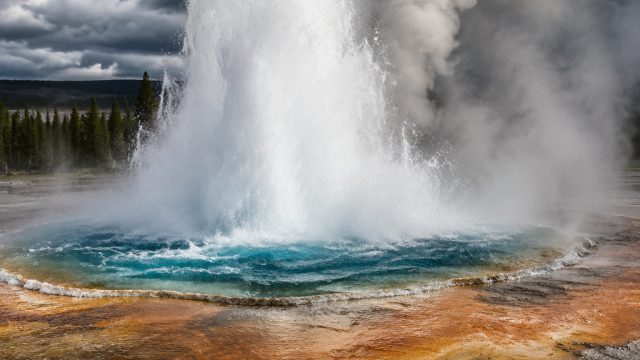
In a striking reminder of the natural forces at work beneath the surface, Yellowstone National Park has recently experienced a hydrothermal explosion, creating a new thermal pool and generating widespread interest and concern among scientists and visitors alike. This event underscores the park's reputation as one of the most geologically active areas in the world.
The Latest Explosion: What Happened?
On June 13, 2026, visitors to Yellowstone witnessed a spectacular hydrothermal explosion near the Firehole River, resulting in the formation of a significant crater approximately 20 feet wide. This explosion is part of the ongoing geological processes that make Yellowstone a unique ecosystem, attracting millions of tourists each year.
The Mechanics Behind Hydrothermal Explosions
Hydrothermal explosions occur when underground water comes into contact with hot magma, leading to rapid steam formation and pressure buildup. This explosive force can eject water, mud, and rocks into the air, creating craters and altering the landscape significantly. The recent event at Yellowstone exemplifies these dynamic processes, revealing the park's constantly evolving geothermal systems.
Why This Matters Now
As climate change and geological activity continue to evolve, understanding events like the recent explosion at Yellowstone is crucial. Such occurrences can provide insights into the park's future and the broader implications for geothermal energy and environmental science.
Visitor Safety and Awareness
Yellowstone officials emphasize the importance of visitor safety, especially following an explosion. Here are several safety tips for those planning to visit the park after such events:
- Stay informed about current conditions and any restricted areas.
- Follow park guidelines and respect all warning signs.
- Be aware of changes in landscape and thermal features, as they can indicate ongoing geological activity.
- Report any unusual occurrences to park rangers immediately.
Scientific Significance of Recent Activity
Geologists and park scientists are closely monitoring the changes in Yellowstone's geothermal features. The recent explosion is not just a dramatic event; it holds valuable data regarding the park's geothermal systems and can assist in predicting future activity. Here’s why this is a focal point of current research:
- Monitoring Geothermal Activity: Continuous observation helps scientists understand the patterns of eruptions and thermal feature changes.
- Climate Change Impact: Investigating how climate shifts affect geothermal systems can lead to new insights into both environmental changes and thermal energy potential.
- Public Engagement: Events like this drive public interest in geology and conservation, fostering a community committed to preserving natural wonders.
Conclusion: The Importance of Vigilance
The recent hydrothermal explosion at Yellowstone National Park serves as a vivid reminder of the planet's dynamic processes. As visitors flock to witness these natural phenomena, it is essential to remain vigilant and informed about safety and environmental changes. Such events not only highlight the park's geological splendor but also the necessity for ongoing research and conservation efforts. By staying updated, we can appreciate the beauty of Yellowstone while ensuring a safe experience for all.

