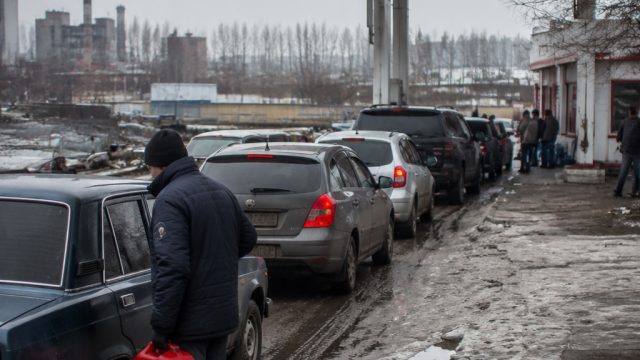
The ongoing conflict between Russia and Ukraine has triggered a significant gasoline shortage in Russia, raising alarms about the implications for the country's economy and global energy markets. Recent attacks on key refineries have exacerbated an already critical situation, leading to increasing fuel prices and supply challenges. Understanding the current landscape is essential for grasping the larger consequences of this crisis.
The Current State of Fuel Supply in Russia
In recent weeks, the situation in Russia's fuel supply has become increasingly dire. Following a series of attacks on its refineries, the country is grappling with an unprecedented gasoline shortage that threatens to disrupt daily life and economic stability. With diesel export bans being considered and a potential rise in fuel imports on the horizon, the ramifications of these developments could extend far beyond Russia's borders.
Gasoline Shortages and Daily Life
- Increased prices for consumers
- Longer wait times at fuel stations
- Restrictions on travel and transportation
- Economic strain on businesses reliant on transportation
These shortages have caused frustration among citizens, affecting both personal and commercial transportation. The ripple effects of this crisis are significant, leading to a potential slowdown in economic activity as businesses face higher operational costs.
Global Energy Market Reactions
The impact of Russia's gasoline crunch is not limited to its borders. Global energy markets are closely monitoring the situation, as the potential for reduced exports could lead to fluctuations in oil prices worldwide. Countries that depend on Russian fuel supplies are particularly anxious, fearing that the crisis could lead to increased costs and supply chain disruptions.
How Global Markets Are Handling the Crisis
Major stakeholders in the energy sector are taking proactive measures, including:
- Diversifying energy sources to reduce reliance on Russian oil
- Enhancing domestic production capabilities
- Exploring alternative suppliers and market strategies
As energy prices soar, nations around the world are recalibrating their strategies to ensure energy security in light of the ongoing crisis.
The Future of Russia's Fuel Supplies
Looking ahead, analysts predict that Russia will face significant challenges in restoring its fuel supply. The ongoing conflict is likely to hinder any potential recovery, as continued hostilities may lead to further refinery attacks, creating a vicious cycle of shortages and instability.
Potential Strategies for Recovery
To address these challenges, experts suggest the following approaches:
- Investment in alternative energy solutions to reduce dependence on oil
- Strengthening infrastructure for fuel production and distribution
- Engagement with international partners to secure necessary resources
These strategies could help Russia recover from the current fuel crisis, but they require a stable political environment and significant investment.
Conclusion: Why This Crisis Matters Now
The current gasoline shortage in Russia is not merely a domestic issue; it has wide-reaching implications that could affect global energy prices and geopolitical relations. As countries watch closely, the unfolding events may reshape energy policies and strategies worldwide. Understanding the intricacies of this crisis is crucial for businesses and governments alike, as they navigate the challenges posed by an unstable energy landscape.