
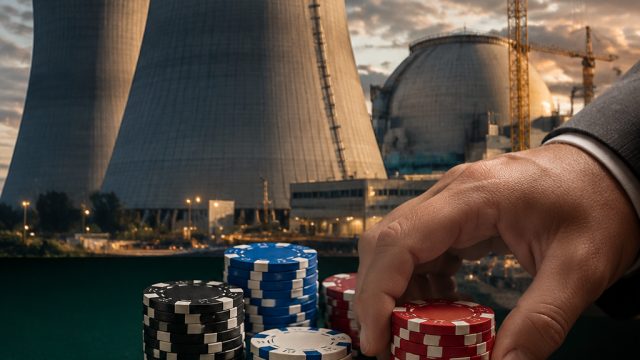
Major Investment in Nuclear Energy: $17.5 Billion for New Reactors
In a decisive move to bolster the United States' energy infrastructure, the recent announcement of a $17.5 billion loan program for the construction of ten new large nuclear reactors marks a pivotal moment. With energy demands increasing and a global shift towards sustainable solutions, this investment could significantly alter the landscape of energy production in the country.
Understanding the Investment
The $17.5 billion in loans aims to support projects that not only promise to enhance energy independence but also reduce carbon emissions. Nuclear power, often viewed through the lens of controversy, is being repositioned as a vital contributor to a cleaner energy future.
Why Nuclear Energy Matters Now
- Increasing Energy Demands: As populations grow and economies expand, the demand for reliable energy sources intensifies.
- Climate Change Mitigation: Transitioning to low-carbon energy sources is essential in the fight against global warming.
- Energy Independence: Reducing reliance on foreign oil is a national priority, making nuclear energy a strategic asset.
Potential Impact on Energy Policy
The investment in nuclear reactors could lead to significant shifts in energy policy within the United States. With the federal government backing the construction of these reactors, the focus may increasingly pivot towards renewable and clean energy initiatives.
Economic Benefits
Pumping billions into nuclear energy is not just about environmental benefits; it also has potential economic advantages:
- Job Creation: The construction and operation of nuclear facilities can generate thousands of jobs.
- Technological Advancement: Investment in nuclear technology can spur innovation in energy efficiency.
- Infrastructure Development: New reactors necessitate improvements in local infrastructure, benefiting communities.
Challenges Ahead
Despite the promising prospects of this nuclear investment, several challenges must be navigated:
Public Perception
The stigma surrounding nuclear energy persists, rooted in historical accidents and safety concerns. Gaining public trust will be crucial for the success of these projects.
Regulatory Hurdles
The path to constructing and operating new nuclear reactors is fraught with regulatory challenges. Navigating these will require cooperation between government agencies and private companies.
Conclusion: A Step Towards the Future
As the U.S. takes significant steps in investing in nuclear energy, the overarching goal remains clear: to create a sustainable, reliable, and independent energy future. With the $17.5 billion loan program, we may be witnessing the dawn of a new era in energy production. Stakeholders from all sectors must engage in this transformative journey to ensure that the benefits of this investment reach all Americans.

