
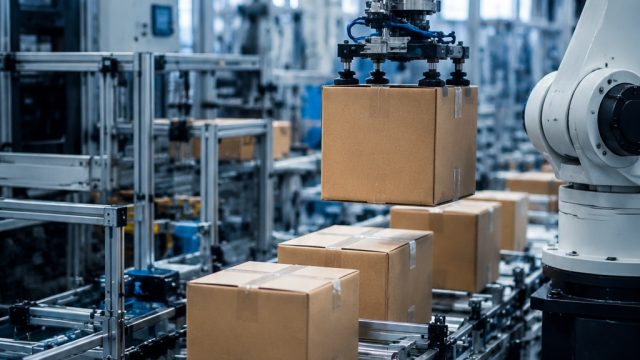
The landscape of manufacturing is undergoing a profound transformation as artificial intelligence (AI) emerges as a pivotal player in redefining packaging solutions. In this era of smart technology, adaptive packaging not only enhances efficiency but also tailors products to meet the diverse needs of consumers. This shift is essential now, as industries strive to stay competitive in an increasingly dynamic market.
Understanding Adaptive Packaging
Adaptive packaging refers to the ability of packaging systems to adjust and optimize based on various factors, including product specifications, transportation conditions, and consumer preferences. This flexibility is crucial as it allows manufacturers to respond swiftly to market demands and minimize waste.
Benefits of Adaptive Packaging
- Increased Efficiency: AI systems analyze real-time data to optimize production processes, reducing downtime and operational costs.
- Customization: Manufacturers can create packaging tailored to specific product lines, improving user experience and satisfaction.
- Sustainability: Adaptive packaging solutions contribute to reducing environmental impact through optimized material usage and minimized waste.
The AI Advantage in Manufacturing
AI technologies are not just enhancing existing processes; they are revolutionizing how packaging is approached in manufacturing. By leveraging machine learning and data analytics, businesses can predict trends and make informed decisions, leading to a more agile production environment.
Key AI Technologies in Packaging
Several AI-driven technologies are making significant strides in adaptive packaging, including:
- Machine Learning: Algorithms analyze historical data to forecast future demands and adjust production schedules accordingly.
- Predictive Analytics: This technology helps anticipate market shifts, allowing for proactive adjustments in packaging strategies.
- Computer Vision: AI-powered imaging systems ensure quality control by identifying defects in packaging before products reach consumers.
Challenges and Considerations
While the integration of AI into packaging presents numerous benefits, it also poses certain challenges. Manufacturers must consider the following:
Investment Costs
Implementing AI technologies can require significant upfront investment, which may deter some businesses. However, the long-term benefits often outweigh these initial costs.
Data Security
As companies increasingly rely on data for AI applications, ensuring data security and privacy becomes paramount. Manufacturing firms must implement robust cybersecurity measures to protect sensitive information.
Talent Acquisition
The shift towards AI-driven manufacturing necessitates a skilled workforce familiar with new technologies. Companies must invest in training or hire talent capable of utilizing these advanced systems effectively.
The Future of Packaging with AI
Looking ahead, the future of packaging solutions is promising with the continued integration of AI technologies. As manufacturers embrace these innovations, we can expect:
- Enhanced Automation: Greater automation in production lines leading to improved accuracy and efficiency.
- Smarter Supply Chains: AI will enhance logistics and supply chain management, allowing for real-time tracking and inventory management.
- Consumer-Centric Design: Packaging will increasingly reflect consumer preferences, informed by data-driven insights.
Conclusion
The implementation of AI in adaptive packaging is not just a trend; it is a necessity for manufacturers aiming to thrive in a competitive landscape. By leveraging advanced AI technologies, companies can achieve unprecedented efficiency, sustainability, and customization in their packaging solutions. As industries continue to innovate, the role of AI in enhancing manufacturing processes will only grow, marking a significant step towards a more intelligent and responsive packaging future.

