
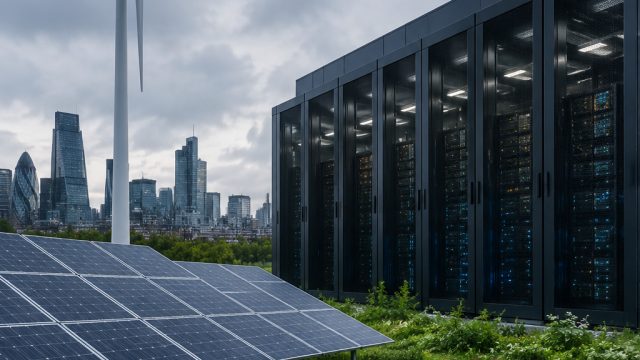
The rapid proliferation of artificial intelligence (AI) applications in various sectors is crystal clear; however, this surge has brought significant challenges, particularly for the energy and water infrastructure supporting data centres in the UK. As these facilities become increasingly vital for processing AI workloads, the demand for efficient, sustainable energy solutions is paramount.
The Growing AI Landscape and Its Impact
With businesses across the UK integrating AI tools into their operations, the dependence on data centres has skyrocketed. These facilities are essential for storing and processing vast amounts of data. As the UK economy leans more heavily on digital transformation, data centres are feeling the strain of rising energy demands. Here are some critical insights pertaining to this evolution:
- Increased Energy Consumption: The influx of AI-driven services has resulted in greater energy consumption by data centres, raising concerns about their sustainability.
- Water Usage: Many data centres rely on water for cooling systems, leading to an urgent need to address resource management.
- Policy and Regulation: The UK government is making strides to ensure that energy practices align with environmental goals, pushing for more sustainable operations.
Sustainability Challenges Facing UK Data Centres
Despite the need for sustainable energy solutions, UK data centres encounter various hurdles. Identifying and implementing effective measures is crucial to mitigating these issues:
Energy Infrastructure Constraints
A significant challenge lies in the existing energy infrastructure, which is not fully equipped to handle the increasing demand from data centres. Upgrading these systems requires substantial investments and innovative approaches.
Water Scarcity
The reliance on water for cooling can pose a considerable risk as water resources become scarcer. Data centres must explore alternative cooling technologies that reduce water consumption, such as:
- Evaporative cooling methods
- Geothermal cooling systems
- Advanced refrigerant systems
Innovative Approaches to Sustainable Energy
To tackle the pressing challenges, the industry must adopt innovative strategies that focus on sustainability and efficiency. Here are a few promising solutions:
Renewable Energy Adoption
Utilizing renewable energy sources such as solar, wind, and hydroelectric power can significantly reduce carbon footprints. Many data centres are now investing in renewable energy contracts, which not only promote sustainability but can also result in cost savings over time.
Energy Efficiency Technologies
Implementing energy-efficient technologies is crucial for reducing overall energy consumption. Techniques such as:
- Virtualization of servers
- AI-driven energy management systems
- Enhanced cooling systems
Collaboration and Partnerships
Collaboration between data centre operators, technology providers, and government entities can lead to innovative solutions and funding opportunities. By working together, stakeholders can develop comprehensive strategies that benefit the entire ecosystem.
The Road Ahead
As the UK continues to embrace AI advancements, the need for sustainable energy solutions in data centres will only intensify. Addressing these challenges is not just about compliance or corporate responsibility; it is essential for the future stability and growth of the economy. The sector must prioritize sustainability to ensure that the increasing demand for data processing does not compromise essential resources.
In conclusion, the intersection of AI dependency and the infrastructural needs of data centres presents an urgent call to action. Stakeholders must adopt innovative, sustainable practices to navigate this critical juncture effectively. The future of data processing in the UK depends heavily on the responsible management of energy and water resources.

