
The computer vision sector is witnessing an unprecedented boost, driven by advancements in artificial intelligence (AI) and deep learning technologies. As businesses and industries explore the vast potential of intelligent imaging, understanding these developments is crucial for leveraging new opportunities in the marketplace.
The Role of AI in Transforming Computer Vision
Artificial intelligence is at the helm of the computer vision revolution. Its integration into various applications—from retail to healthcare—has made processes more efficient and insightful. AI algorithms are now capable of analyzing visual data faster and with better accuracy than ever before.
Enhancing Decision-Making with Intelligent Imaging
Intelligent imaging involves capturing and interpreting visual data to support better decision-making. Businesses are harnessing this technology to:
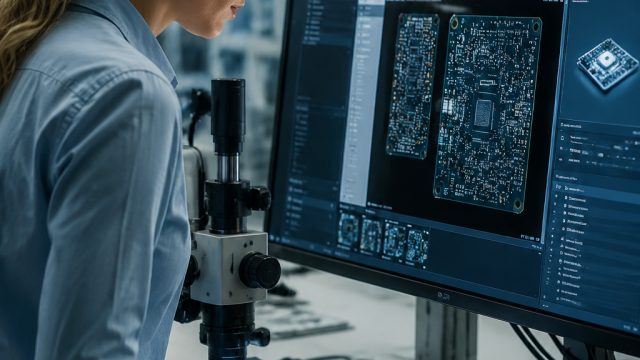
- Improve product quality: AI-driven imaging systems can quickly identify defects in manufacturing processes, ensuring high-quality outputs.
- Optimize resource allocation: By analyzing visual data, companies can identify underutilized resources and areas needing improvement.
- Enhance customer experiences: Tailored marketing strategies based on visual analysis can lead to more personalized interactions.
Deep Learning: The Backbone of Modern Computer Vision
Deep learning plays a pivotal role in enabling machines to interpret visual information. By using neural networks, computer systems can learn from vast amounts of data, continuously improving their performance over time. This capability is critical for applications such as:
- Facial recognition: Enhancing security measures across sectors.
- Automated surveillance: Providing real-time monitoring and threat detection.
- Medical image analysis: Enabling faster and more accurate diagnoses in healthcare.
Current Trends in Computer Vision Technology
As technology evolves, several trends are shaping the future of computer vision, including:
- Real-time analytics: The demand for instant results in various applications is pushing the development of real-time processing technologies.
- Integration with IoT: The combination of computer vision and the Internet of Things (IoT) is creating smarter environments.
- Edge computing: This technology reduces latency by processing data closer to the source, enhancing efficiency in applications like autonomous vehicles.
Why This Matters Now
The urgency for businesses to adopt computer vision technology has never been greater. In an age where data-driven decision-making is paramount, companies must be agile and innovative to remain competitive. Those who invest in AI and computer vision today will be better positioned to capitalize on future opportunities.
Conclusion: Embracing the Future of Imaging
The rapid growth of computer vision, fueled by advancements in AI and deep learning, presents vast opportunities across various sectors. As organizations begin to understand and implement these technologies, they will not only enhance their operational efficiency but also drive innovation within their industries. Ignoring these trends could mean falling behind in a fast-paced digital landscape.

