
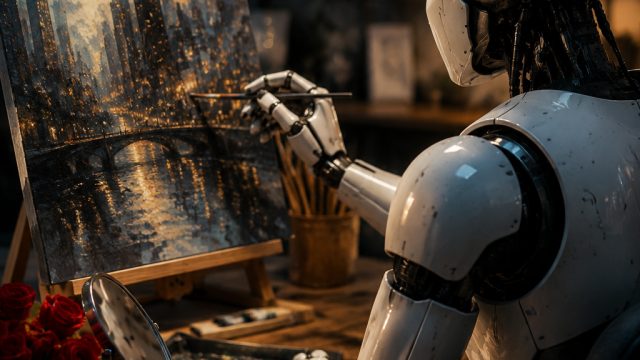
Exploring the Rise of AI in Creative Industries
As technology continues to evolve at a rapid pace, the integration of artificial intelligence (AI) into creative sectors has become a critical point of discussion. The implications of this evolution are profound, affecting how creators work and how audiences engage with their art. In a world where AI-driven tools are transforming how we approach creativity, it is essential to understand the impact and significance of these advancements.
The Current Landscape of AI in Creativity
Artificial intelligence is reshaping the creative landscape by automating certain tasks, enhancing artistic capabilities, and providing new avenues for expression. This technological progression is seen in various disciplines, including digital art, music composition, and even video game design.
Transforming Digital Art
The realm of digital art has particularly benefited from AI technologies. Tools powered by AI are now capable of generating stunning visuals based on simple prompts. Artists can utilize these advancements to explore new styles and techniques, leading to an explosion of innovative works in the digital space.
- AI art generators can create images in seconds, offering endless possibilities for artists.
- Collaborative platforms allow artists to work alongside AI to enhance their creative outputs.
- Real-time feedback from AI tools helps artists refine their techniques and ideas.
AI Music Composition: A New Era
Music composition is another area where AI is making waves. With algorithms capable of analyzing vast amounts of data, AI can create original compositions that mimic or even surpass human creativity. This shift raises questions about authorship and the role of the human touch in music.
The Intersection of Technology and Emotion
While AI-generated music can be algorithmically perfect, the emotional connection that listeners feel towards music often stems from the artist's personal experiences. This intersection of technology and human emotion leads to intriguing discussions within the music community.
- AI is used in music recommendation systems, tailoring playlists to individual tastes.
- Collaborations between artists and AI are yielding unexpected and captivating results.
- AI tools provide musicians with new ways to experiment and innovate.
The Future of AI in Game Development
The video game industry is also experiencing a transformative shift with the integration of AI. From designing intricate game environments to creating intelligent non-player characters (NPCs), AI is enhancing player experiences and pushing creative boundaries.
Dynamic Storytelling and Gameplay
AI’s ability to analyze player behavior and adapt scenarios in real-time is revolutionizing gameplay. This responsive nature creates a more personalized experience, allowing players to engage with stories that evolve based on their choices.
- AI-driven NPCs can respond to player actions, making games feel more immersive.
- Procedural generation techniques powered by AI allow for endless game environments.
- AI can help developers analyze player feedback to improve gameplay mechanics and narratives.
AI: Friend or Foe in Creative Fields?
The rise of AI in creative industries has sparked a debate about its implications for human creators. Many fear that AI may replace traditional roles in art and music. However, it is essential to view AI as a tool that can augment human creativity rather than replace it.
Balancing Innovation with Tradition
As AI continues to develop, the challenge lies in finding a balance between leveraging its capabilities and preserving the essence of human creativity. Artists who embrace AI tools can create unique works that blend technology with personal expression, enriching the cultural landscape.
Conclusion: Embracing the Future of AI in Creativity
AI is undeniably at the forefront of transforming creative industries. By providing new avenues for expression and enhancing collaborative efforts, AI opens doors to innovative possibilities. As creators adapt to these changes, the future of art, music, and gaming will likely be a dynamic interplay between human ingenuity and machine intelligence. Embracing these advancements can lead to a more vibrant and diverse creative landscape, showcasing the best of both worlds.

