
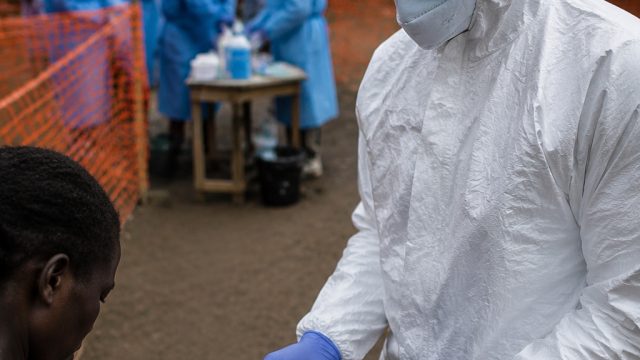
Ebola Outbreak in Congo Surpasses Historical Records: Urgent Response Needed
In a troubling development, the Ebola outbreak in the Democratic Republic of Congo (DRC) has surpassed the highest first-month total recorded for any previous outbreak, as reported by the World Health Organization (WHO). Over 1,000 cases have been confirmed within just a few weeks, raising alarm bells among health experts and international organizations.
Understanding the Current Situation
This unprecedented spike in Ebola cases presents a monumental challenge for health authorities both locally and globally. The DRC is facing a complex public health crisis as the virus spreads rapidly, infecting not only the general population but frontline health workers as well.
The Factors Behind the Surge
- Improvised Healthcare Infrastructure: The DRC's existing healthcare systems struggle to respond effectively to such an acute outbreak.
- Community Resistance: Misinformation and fear have led to reluctance among some communities to cooperate with health officials.
- Logistical Challenges: Access to remote areas where the virus is spreading remains a significant hurdle.
The Impact on Vulnerable Populations
Health organizations are particularly concerned about the potential impact on children and other vulnerable groups. UNICEF has warned that millions of children are at risk as the outbreak continues to unfold. Efforts to vaccinate and treat those affected are hampered by logistical issues and the need for rapid international support.
Children at Risk
With schools in the region closing and families being displaced, the long-term effects of the outbreak on children could be devastating. Not only are they at risk of contracting the virus, but the disruption to their education and social services poses significant challenges.
International Response and Support Mechanisms
In light of the current situation, the international community is called to action. Coordinated efforts are essential to combat the spread of the virus and to ensure that those affected receive the care they need. The WHO has initiated several support mechanisms, including:
- Vaccination Campaigns: Rapid deployment of vaccines to protect those at highest risk.
- Training for Health Workers: Equipping local healthcare providers with the necessary tools and knowledge to manage the outbreak effectively.
- Awareness Programs: Educating communities to combat misinformation and encourage cooperation with health initiatives.
Conclusion: A Call for Urgent Action
The rapid escalation of the Ebola outbreak in the DRC necessitates a robust and immediate response. It is imperative for the global community to rally together to support the affected populations and assist local health agencies in mitigating the crisis. As the situation evolves, staying informed and engaged is crucial for understanding the broader implications for global health and safety.
Let us remain vigilant and proactive in our efforts to support those battling this outbreak, ensuring that we prioritize health and safety for all, especially the most vulnerable among us.

