
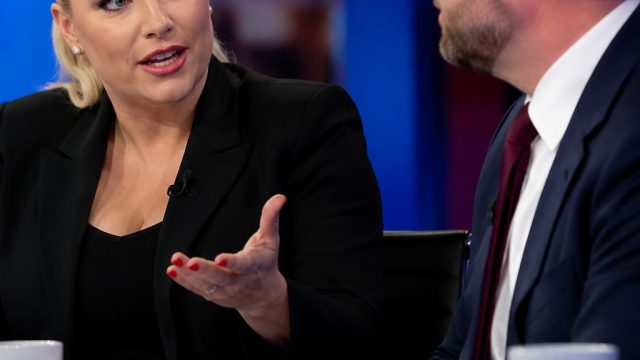
Meghan McCain Challenges JD Vance's Diplomatic Approach to Iran
In a striking commentary that has captured public attention, Meghan McCain has taken aim at Vice President JD Vance's recent diplomatic engagements with Iran. As tensions rise in the Middle East, McCain's critique sheds light on the delicate balance of U.S. foreign policy and raises questions about the effectiveness of Vance's strategy. With influential leaders from Qatar and Pakistan mediating discussions, the stakes have never been higher.
The Context of the Criticism
Meghan McCain, known for her outspoken views on various political matters, expressed her concerns during a recent media appearance. She called into question Vance's approach, suggesting he may be too cozy with countries that have historically been viewed as adversaries of the United States. This sentiment resonates deeply within the political landscape, particularly as the U.S. navigates complex relationships in the Middle East.
Implications of Diplomatic Engagement
McCain's critique isn't just focused on Vance's actions; it represents a broader concern about American diplomacy. As negotiations unfold in Switzerland, the role of the U.S. in global alliances has come under scrutiny. Here are key implications of this diplomatic engagement:
- Trust in Leadership: Public perception of U.S. leadership can be impacted by associations with hostile nations.
- Long-term Strategy: The effectiveness of short-term negotiations could jeopardize long-term security interests.
- International Relations: Strengthening ties with adversaries could alienate traditional allies.
A Look at Vance's Approach
JD Vance's strategy has been marked by a willingness to engage in dialogue with nations that many consider adversaries. This approach, while potentially beneficial in fostering communication, raises questions about where the administration's priorities lie. Vance’s team has defended his efforts by emphasizing the importance of open channels to prevent conflict, yet critics, including McCain, remain skeptical.
Public Reaction and Political Ramifications
The public's response to McCain's remarks has been mixed. Supporters appreciate her candidness and willingness to challenge political norms, while detractors argue that her comments could undermine necessary discussions. The political ramifications of this discourse are significant:
- Political Capital: Critics like McCain may seek to leverage this critique to bolster their own positions.
- Media Coverage: The reception of McCain's comments has led to increased media scrutiny of Vance's diplomatic engagements.
- Future Negotiations: Public opinion could influence future diplomatic strategies and negotiations with Iran.
Conclusion: The Path Forward
As the world watches the unfolding developments in U.S.-Iran negotiations, McCain's criticism of JD Vance serves as a reminder of the complexities of modern diplomacy. The need for a balanced approach to foreign relations is vital, especially in times of heightened tension. With influential figures like McCain weighing in, the discourse surrounding foreign policy is sure to evolve, prompting leaders to reassess their strategies. The situation remains fluid, and as stakeholders navigate these challenging waters, the implications of their decisions will resonate for years to come.

